Featured On Style Caster

Rice Water Is the Latest Trending Hair Growth Ingredient—But Does It Actually Work?

It may seem like there are a ton of trending hair growth ingredients out there, and it’s likely because there is. People are continually discovering new and improved ways to stimulate growth and halt shedding, and rice water is one of the latest names to gain traction.

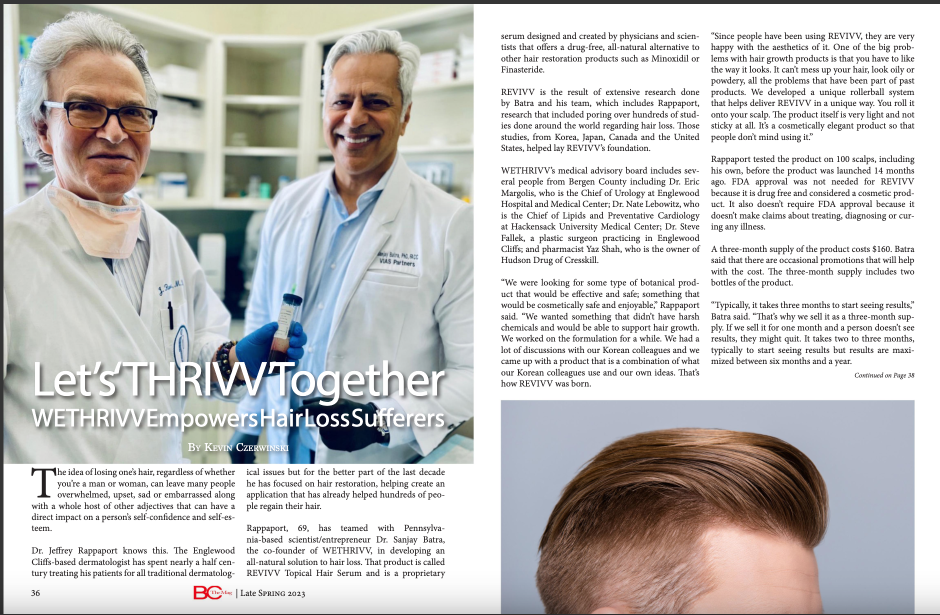
Rice water is an emulsion, similar to dairy milk, produced from rice grains. Its particles are a mixture of fatty substances and surface starch, and contain proteins, sterols and enzymes which all aid the hair in unique ways. According to Regenerative Medicine Expert and WeThrivv Founder, Dr. Sanjay Batra, rice water can help the hair by doing two things: “Improving the cosmetic appearance of hair strands and improving the health of the scalp by reducing the amount of antagonizing hormones.”

Featured on Shefinds.com

Does Castor Oil Actually Help With Hair Growth? We Asked The Experts
If you’re the type of beauty consumer who is naturally suspicious of any and every product you’re told “really works like magic,” you aren’t alone — and you’re probably very wise to feel that way. The unfortunate reality is that the hair, skincare, and cosmetic markets are oversaturated with products that make huge claims. One day you’re being told a certain serum can banish all of your wrinkles and the next day a hair brand is trying to sell you on the idea that all you need is their shampoo to stop your hair from shedding forever.

The solution you’re seeking is usually more complicated than just using a product or two and often involves changes in diet, lifestyle, and a trip to the dermatologist or trichologist to get a professional’s take. But there’s one natural oil that has stood the test of time and maintained its reputation, while other trendy hair products have come and gone over the years: castor oil.

Featured on CEW

Recovery Care Emerges as Beauty’s New Niche Category
The size of the global facial injectable market is expected to grow at a compound annual growth rate (CAGR) of 10.3% from 2023 to 2030, according to Grand View Research. As a result, the advent of invasive procedures has spawned “recovery care” as a new niche market within beauty, one that’s ripe for the taking. Several brands have identified this need and are carving out a space to create beauty’s latest category. BY WENDY SY | PUBLISHED MAY 5, 2023

Made for post-injection treatments, recovery care has always been a vital part of the beauty industry, mainly in the form of ice packs and vials of arnica. But when white space emerges, brands come a-running.

According to Grand View Research, the global facial injectable market size was valued at $12.7 billion in 2022. In 2023, it’s projected to exceed $13 billion. And by 2030? Get ready for it — revenue is expected to reach a whopping $27.6 billion. With such high demand, the recovery care category is beauty’s new bright spot of opportunity.

Featured on Zoc Doc

Dermatologists Debate Sheet Masks
By Lauren Sieben | April 18, 2023
If you’ve ever planned an at-home spa day, there’s a good chance your regimen included a sheet mask. Sheet masks are everywhere: You can pick one up for a few bucks at the drugstore or splurge on a high-end mask from your favorite beauty retailer. But should you use them? And do they even work? We asked dermatologists to weigh in on sheet masks. Who should (and shouldn’t) use them? What ingredients should you look for? Which masks are right for different skin types? And of course: Do sheet masks really do anything? Here’s what the experts had to say.

Featured on The Zoe Report

Is Exosome Therapy The Future Of Healthy Skin & Hair?

Our skin is designed to heal itself, but like the need to down a shot of espresso to get going into the morning, sometimes the organ needs an extra kick. That’s where exosome therapy comes into play, the latest trend in the aesthetics space. Falling under the regenerative therapy umbrella, a category of treatments that use stem cells or platelets (like in PRP) to replace or “regenerate” the skin in order to improve texture and tone, exosomes are poised to become the next “It girl” in skin care. And like PRP, this treatment can also be used to treat hair loss by stimulating the hair follicles.

Until recently, exosomes were dismissed as mere byproducts of cellular activity, but recent research has revealed their incredible potential to transform how we approach skin care and hair care — a modern-day Cinderella story, if you will. Especially because the science behind the treatment has a long-lasting, holistic effect rather than arguably functioning like a Bandaid for skin concerns like Botox and many fillers do. “Exosomes are usually derived from stem cells and contain signaling molecules and growth factors designed to stimulate regeneration and healing,” explains Dr. Julie Russak, M.D., board-certified dermatologist and founder of Russak Dermatology Clinic in New York City.

Featured on TZR

At this point, it’s likely you’re well aware of the plethora of benefits that come from vitamin C. For years, the nutrient has been rapidly rising in the beauty and wellness spaces thanks to its ability to aid in everything from free radical protection and immune function to iron absorption. In fact, on TikTok alone, #vitaminc has garnered some 2.8B views to date, with users sharing products, skin care, foods, and supplements that star the buzzy antioxidant.

“It also helps to boost collagen production and decrease inflammation in the body, making it an essential nutrient for bone and blood vessel health,” anti-aging and regenerative medicine doctor, Dr. Neil Paulvin, DO explains. And while there’s a plethora of information on what it can do for the body, how does one know if they’re deficient in it?

The thing with this tricky nutrient is that, unlike iron and B12-deficiencies, vitamin C disparities can sneak up on you as symptoms — like not getting enough sleep, catching a cold, fever, etc. — can easily be mistaken for a wide variety of other issues. That said, Sanjay Batra, PHD says it’s also one of the vitamins you need to keep in check as having healthy amounts of vitamin C cannot be underestimated. The key thing to note here is that this nutrient cannot be made by the human body, so it must be absorbed through food or supplement. For reference, adult women should be consuming at least 75 mg of vitamin C daily. “While the body can store vitamin C, to get through times of scarcity, the stores are eventually depleted,” says Barta.